


Commercial Pasta Cookers
Commercial pasta cookers are purpose-built for high-volume kitchens, letting chefs cook and drain pasta and noodles in batches with consistent results. This range includes gas and electric pasta cookers and noodle cookers from Waldorf, B+S, Fagor, Blue Seal Evolution Series, Gasmax, K+ and Cobra, mostly in 450mm modular widths to fit a cook line, plus a Roband benchtop pasta cooker and blancher, spaghetti baskets and a manual Vogue pasta machine for making fresh pasta.
What to check
- Baskets: models here run from two to nine baskets. Count the portions you need cooking at once at peak and the different cooking times on your menu.
- Gas or electric: gas models come in natural gas or LPG; electric models need the right circuit. Check the exact model's supply requirements before ordering.
- Water fill and drain: automatic fill and a drain tap save time and lifting. Plan the water and drain connection with your plumber.
- Noodle and soup work: some B+S noodle cookers include soup warmer or cheung fun inserts for Asian kitchens.
Building a full cook line? See commercial gas cooktops and commercial deep fryers.
-
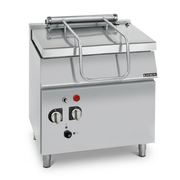
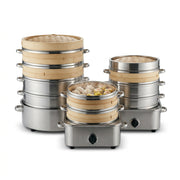
 B+S Black Noodle Cooker 9 Baskets Natural Gas - NC-9-NG
$8,500.00From:$6,375.00 Rent $80.91 + GST/week
Couldn't load pickup availability
-
 B+S Black Noodle Cooker 9 Baskets LPG - NC-9-LPG
$8,500.00From:$6,375.00 Rent $80.91 + GST/week
Couldn't load pickup availability
-
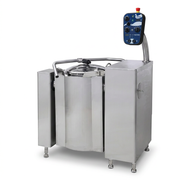
 B+S Black Noodle Cooker 6 Baskets Natural Gas - NC-6-NG
$6,765.00From:$5,073.00 Rent $64.39 + GST/week
Couldn't load pickup availability
-
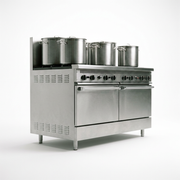
 B+S Black Noodle Cooker 6 Baskets LPG - NC-6-LPG
$6,765.00From:$5,073.00 Rent $64.39 + GST/week
Couldn't load pickup availability


WE’RE HERE TO ANSWER
Commercial Pasta Cookers FAQs
What's the difference between gas and electric pasta cookers?
Gas pasta cookers offer faster heat-up times and better temperature recovery, ideal for high-volume operations. Electric units are easier to install and suitable for kitchens without gas access, but may heat up more slowly.
Do commercial pasta cookers require a water connection or special electrical setup?
Yes, most pasta cookers require a direct water connection for filling and integrated drainage. Electric models over 5kW usually require a 3-phase electrical connection, while gas models often need installation under a Type 1 extraction hood.
How do you clean and maintain a pasta cooker?
Daily cleaning includes draining the tank, scrubbing internal surfaces to remove starch, and rinsing baskets. Monthly, descale the unit—especially in hard water areas—and inspect valves and thermostat calibration to maintain performance.
What is the typical capacity of a commercial pasta cooker?
Most freestanding pasta cookers hold between 20L to 40L of water and can accommodate 4–6 pasta baskets simultaneously. This enables batch cooking of various pasta types during service.
Why use a dedicated pasta cooker instead of a traditional stockpot?
Pasta cookers ensure consistent boiling, integrated drainage, faster cooking cycles, and less manual effort. They also feature starch skimming and auto refill systems—enhancing food quality while improving kitchen efficiency.