


Convection Ovens
Looking to upgrade your kitchen’s baking efficiency? Commercial convection ovens offer faster cook times, even heat distribution, and greater consistency—making them a must-have for bakeries, restaurants, and catering operations. Whether you’re outfitting a high-volume kitchen or replacing an older unit, our range of electric and gas convection ovens deliver professional performance built to last.
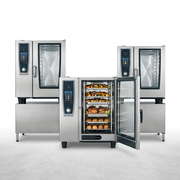
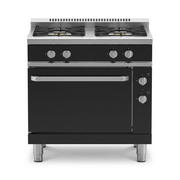
-
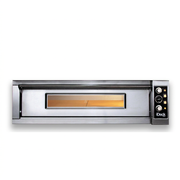
 Convect Max Digital Convection Oven with Grill YXD-3DI
$1,590.00From:$1,351.50 Rent $17.15 + GST/week
Couldn't load pickup availability
-
 Waldorf Bold RNLB8910GEC - 900mm Gas Range Electric Convection Oven Low Back Version
$20,983.00From:$15,527.42 Rent $197.07 + GST/week
Couldn't load pickup availability
-
 Waldorf Bold RNLB8910GC - 900mm Gas Range Convection Oven Low Back Version
$17,700.00From:$13,098.00 Rent $166.24 + GST/week
Couldn't load pickup availability
-
 Waldorf Bold RNLB8819GEC - 1200mm Gas Range Electric Convection Oven Low Back Version
$26,763.00From:$19,804.62 Rent $251.36 + GST/week
Couldn't load pickup availability
-
 Waldorf Bold RNLB8819GC - 1200mm Gas Range Convection Oven Low Back Version
$23,327.00From:$17,261.98 Rent $219.08 + GST/week
Couldn't load pickup availability
-
 Waldorf Bold RNLB8816GEC - 1200mm Gas Range Electric Convection Oven Low Back Version
$26,763.00From:$19,804.62 Rent $251.36 + GST/week
Couldn't load pickup availability
-
 Waldorf Bold RNLB8816GC - 1200mm Gas Range Convection Oven Low Back Version
$23,327.00From:$17,261.98 Rent $219.08 + GST/week
Couldn't load pickup availability
-
 Waldorf Bold RNLB8813GEC - 1200mm Gas Range Electric Convection Oven Low Back Version
$26,763.00From:$19,804.62 Rent $251.36 + GST/week
Couldn't load pickup availability
-
 Waldorf Bold RNLB8813GC - 1200mm Gas Range Convection Oven Low Back Version
$23,327.00From:$17,261.98 Rent $219.08 + GST/week
Couldn't load pickup availability
-
 Waldorf Bold RNLB8810GEC - 1200mm Gas Range Electric Convection Oven Low Back Version
$26,763.00From:$19,804.62 Rent $251.36 + GST/week
Couldn't load pickup availability
-
 Waldorf Bold RNLB8810GC - 1200mm Gas Range Convection Oven Low Back Version
$23,327.00From:$17,261.98 Rent $219.08 + GST/week
Couldn't load pickup availability
-
 Waldorf Bold RNLB8619GEC - 900mm Gas Range Electric Convection Oven Low Back Version
$20,983.00From:$15,527.42 Rent $197.07 + GST/week
Couldn't load pickup availability
-
 Waldorf Bold RNLB8619GC - 900mm Gas Range Convection Oven Low Back Version
$17,700.00From:$13,098.00 Rent $166.24 + GST/week
Couldn't load pickup availability
-
 Waldorf Bold RNLB8619EC - 900mm Electric Range Convection Oven Low Back Version
$19,980.00From:$14,785.20 Rent $187.66 + GST/week
Couldn't load pickup availability
-
 Waldorf Bold RNLB8616GEC - 900mm Gas Range Electric Convection Oven Low Back Version
$20,983.00From:$15,527.42 Rent $197.07 + GST/week
Couldn't load pickup availability
-
 Waldorf Bold RNLB8616GC - 900mm Gas Range Convection Oven Low Back Version
$17,700.00From:$13,098.00 Rent $166.24 + GST/week
Couldn't load pickup availability
-
 Waldorf Bold RNLB8616EC - 900mm Electric Range Convection Oven Low Back Version
$19,980.00From:$14,785.20 Rent $187.66 + GST/week
Couldn't load pickup availability
-
 Waldorf Bold RNLB8613GEC - 900mm Gas Range Electric Convection Oven Low Back Version
$20,983.00From:$15,527.42 Rent $197.07 + GST/week
Couldn't load pickup availability
-
 Waldorf Bold RNLB8613GC - 900mm Gas Range Convection Oven Low Back Version
$17,700.00From:$13,098.00 Rent $166.24 + GST/week
Couldn't load pickup availability
-
 Waldorf Bold RNLB8613EC - 900mm Electric Range Convection Oven Low Back Version
$19,980.00From:$14,785.20 Rent $187.66 + GST/week
Couldn't load pickup availability
-
 Waldorf Bold RNLB8610SEC - 900mm Electric Sealed Hobs Range Convection Oven Low Back Version
$20,980.00From:$15,525.20 Rent $197.05 + GST/week
Couldn't load pickup availability
-
 Waldorf Bold RNLB8610GEC - 900mm Gas Range Electric Convection Oven Low Back Version
$20,983.00From:$15,527.42 Rent $197.07 + GST/week
Couldn't load pickup availability
-
 Waldorf Bold RNLB8610GC - 900mm Gas Range Convection Oven Low Back Version
$17,700.00From:$13,098.00 Rent $166.24 + GST/week
Couldn't load pickup availability
-
 Waldorf Bold RNLB8610EC - 900mm Electric Range Convection Oven Low Back Version
$19,980.00From:$14,785.20 Rent $187.66 + GST/week
Couldn't load pickup availability


WE’RE HERE TO ANSWER
Convection Ovens FAQs
What’s the difference between gas and electric convection ovens?
Gas convection ovens generally heat up faster and may be more cost-effective in areas where gas is cheaper than electricity. They use a fan to circulate heated air from a gas burner. Electric convection ovens provide more consistent heat and precise temperature control, making them ideal for delicate baking applications. The choice often depends on utility access, budget, and cooking priorities.
Do commercial convection ovens need a ventilation hood or water connection?
Standard convection ovens typically require a Type 1 or Type 2 hood, depending on local regulations and whether the unit emits grease-laden vapors. A water connection is not required unless the unit features steam injection or operates as a combi model. Always verify ventilation codes with your local health department or building inspector before installation.
How do I clean and maintain a commercial convection oven?
For daily maintenance, remove food debris and wipe down the interior with a damp cloth and non-abrasive cleaner. Clean the fan guard and vent weekly to prevent airflow blockages. Periodically inspect door gaskets, fan motors, and electrical connections. Schedule professional servicing every 6 months, especially in high-use kitchens, to maintain performance and food safety compliance.
How many GN pans or trays fit in a standard convection oven?
Most full-size convection ovens hold five to ten GN 1/1 pans or full-size sheet pans, depending on rack spacing and chamber height. Half-size ovens usually accommodate 4–6 trays. Check manufacturer specs to confirm pan compatibility and rack configurations, especially when baking in volume or batch-cooking trays of different depths.
Why should I choose a convection oven over a traditional oven?
Convection ovens use a built-in fan to circulate hot air evenly, resulting in up to 30% faster cook times and more uniform baking or roasting. This translates into better food consistency, higher throughput, and reduced energy use. For commercial kitchens, this means faster service, less waste, and higher customer satisfaction—delivering strong long-term ROI compared to static ovens.