


Commercial Coffee Machines
Commercial coffee machines are essential for cafés, restaurants, and hospitality venues serious about delivering high-volume, barista-quality beverages with consistency. Whether you run a boutique cafe or a large-scale catering business, choosing the right commercial espresso machine affects workflow, beverage quality, and long-term ROI.
-
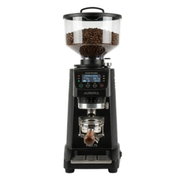
 Rancilio KRYO EVO 65 OD On Demand Coffee Grinder
$2,123.00From:$1,847.01 Rent $23.44 + GST/week
Couldn't load pickup availability
-
 Mazzer ZM Display Filter Electronic
$5,100.00From:$5,100.00 Rent $64.73 + GST/week
Couldn't load pickup availability
-
 Mazzer Super Jolly V Pro Electronic
$2,200.00From:$2,200.00 Rent $27.92 + GST/week
Couldn't load pickup availability
-
 Mazzer Super Jolly V Pro Auto
$1,700.00From:$1,700.00 Rent $21.58 + GST/week
Couldn't load pickup availability
-
 Mazzer Robur S Electronic
$4,300.00From:$4,300.00 Rent $54.58 + GST/week
Couldn't load pickup availability
-
 Mazzer Robur S Auto
$3,900.00From:$3,900.00 Rent $49.50 + GST/week
Couldn't load pickup availability
-

-
 Mazzer Mini Electronic
$1,311.81From:$1,311.81 Rent $16.64 + GST/week
Couldn't load pickup availability
-
 Mazzer Major V Electronic
$2,994.55From:$2,994.55 Rent $38.00 + GST/week
Couldn't load pickup availability
-
 Mazzer Major V Auto
$2,200.00From:$2,200.00 Rent $27.92 + GST/week
Couldn't load pickup availability
-
 Mazzer Kony S Electronic
$3,400.00From:$3,400.00 Rent $43.15 + GST/week
Couldn't load pickup availability
-
 Mazzer Kony S Auto
$2,800.00From:$2,800.00 Rent $35.54 + GST/week
Couldn't load pickup availability
-
 Mazzer Kold S Electronic
$4,950.00From:$4,950.00 Rent $62.83 + GST/week
Couldn't load pickup availability
-
 Mazzer Kold S Auto
$4,400.00From:$4,400.00 Rent $55.85 + GST/week
Couldn't load pickup availability
-
 Bezzera Sirio Q Grinder BZSIRIOQ
$8,499.00From:$7,224.15 Rent $91.69 + GST/week
Couldn't load pickup availability
-
 Bezzera Knock Out Waste Tube DS86L
$130.00From:$130.00 Rent $1.65 + GST/week
Couldn't load pickup availability
-
 Bezzera Eletronic Coffee Grinder BZM80EB
$2,599.00From:$2,209.15 Rent $28.04 + GST/week
Couldn't load pickup availability
-
 Benchstar Milk Frother & Steamer - CS-MFS7B
$4,600.00From:$3,910.00 Rent $49.63 + GST/week
Couldn't load pickup availability
-
 Wega Polaris EVD Tron
$10,500.00From:$9,844.00 Rent $124.94 + GST/week
Couldn't load pickup availability
-

-
 Slayer Steam LP
$26,250.00From:$26,250.00 Rent $333.17 + GST/week
Couldn't load pickup availability
-
 Slayer Steam EP
$20,000.00From:$20,000.00 Rent $253.85 + GST/week
Couldn't load pickup availability
-
 Slayer Espresso
$34,750.00From:$34,750.00 Rent $441.06 + GST/week
Couldn't load pickup availability
-
 Rancilio RS1 INVICTA 3GR Espresso Machine
$19,667.00From:$17,110.29 Rent $217.17 + GST/week
Couldn't load pickup availability


WE’RE HERE TO ANSWER
Commercial Coffee Machines FAQs
What is the difference between a single boiler and dual boiler commercial coffee machine?
A single boiler coffee machine uses one boiler to handle both brewing and steaming, which means it can't perform both tasks simultaneously—this can slow service during busy hours. A dual boiler commercial coffee machine uses two separate boilers: one for brewing and another for steam, allowing baristas to pull shots and steam milk at the same time. Dual boiler setups are ideal for high-volume environments and ensure temperature stability for better espresso extraction.
Does a commercial coffee machine need a direct water connection?
Yes, most commercial coffee machines require a direct plumbing connection to maintain consistent water pressure and support high-volume use. Some smaller commercial models may have refillable tanks, but for reliability, hygiene, and efficiency in a busy café or kitchen, a plumbed-in unit is essential. Additionally, a commercial-grade water filtration system is highly recommended to prevent scale buildup and maintain taste consistency.
How do you clean and maintain a commercial coffee machine to extend its lifespan?
Daily maintenance includes backflushing the group heads with a cleaning detergent, wiping steam wands, and emptying drip trays. Weekly tasks involve descaling if applicable, checking group head seals, and cleaning the grinder. Monthly, inspect internal filters and have a technician service the machine if usage is high. Always use filtered water to reduce limescale damage, and follow manufacturer maintenance schedules to ensure optimal performance and lifespan.
How many cups per hour can a commercial coffee machine produce?
A typical 2-group commercial coffee machine can produce around 120–180 cups per hour depending on the model and barista efficiency. Higher-end, multi-boiler or 3-group machines can consistently deliver 200–300+ cups per hour. Understanding your peak service demand is crucial when choosing the correct machine capacity and group configuration.
Why should I invest in a commercial coffee machine instead of a domestic one?
Commercial coffee machines are engineered for durability, capacity, and temperature stability, allowing you to serve consistent, high-quality beverages throughout the day. Unlike domestic units, they are designed to handle hundreds of cycles daily without overheating or losing pressure. This results in better workflow, faster service, and a professional-grade product that enhances customer satisfaction—making them a cost-effective long-term investment.