


Ice Machines
Keep your commercial kitchen fully stocked with clean, reliable ice using our range of commercial ice machines. From high-volume cube ice makers to compact undercounter units, we supply equipment trusted by chefs, bartenders, and kitchen managers across the hospitality industry. Whether you operate a high-end cocktail bar or a busy QSR, Atlantic Equipment’s ice machines deliver consistent performance in demanding environments.
-
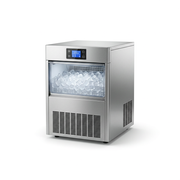
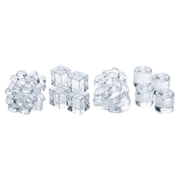
 Polar Ice Machine 50 kg Output
$2,199.90From:$2,062.00 Rent $26.17 + GST/week
Couldn't load pickup availability
-
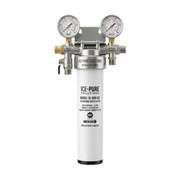
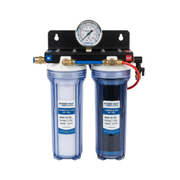
 F.H.E Bwt Ice Maker Water Filter WFI37000
$245.00From:$245.00 Rent $3.11 + GST/week
Couldn't load pickup availability
-
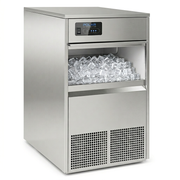
 Blizzard Under Bench Cube Ice Maker Air Cooled SN-81B
$3,190.00From:$2,169.20 Rent $27.53 + GST/week
Couldn't load pickup availability
-
 Skope SPIKA NG70 A Half Dice Self-Contained Ice Cube Maker R290
$7,895.00From:$6,394.09 Rent $81.15 + GST/week
Couldn't load pickup availability
-
 Skope SPIKA NG70 A Full Dice Self-Contained Ice Cube Maker R290
$7,895.00From:$6,394.09 Rent $81.15 + GST/week
Couldn't load pickup availability
-
 Skope SPIKA NG50 A Half Dice Self-Contained Ice Cube Maker R290
$4,835.00From:$3,915.00 Rent $49.69 + GST/week
Couldn't load pickup availability
-
 Skope SPIKA NG50 A Full Dice Self-Contained Ice Cube Maker R290
$4,835.00From:$3,915.00 Rent $49.69 + GST/week
Couldn't load pickup availability
-
 Skope SPIKA NG150 A Half Dice Self-Contained Ice Cube Maker R290
$9,325.00From:$7,552.27 Rent $95.85 + GST/week
Couldn't load pickup availability
-
 Skope SPIKA NG150 A Full Dice Self-Contained Ice Cube Maker R290
$9,325.00From:$7,552.27 Rent $95.85 + GST/week
Couldn't load pickup availability
-
 Skope SPIKA NG100 A Half Dice Self-Contained Ice Cube Maker R290
$8,165.00From:$6,613.18 Rent $83.93 + GST/week
Couldn't load pickup availability
-
 Skope SPIKA NG100 A Full Dice Self-Contained Ice Cube Maker R290
$8,165.00From:$6,613.18 Rent $83.93 + GST/week
Couldn't load pickup availability
-
 Skope ICE QUEEN IQ85 Self-Contained Granular Ice Maker R290
$8,294.00From:$6,718.00 Rent $85.27 + GST/week
Couldn't load pickup availability
-
 Skope ICE QUEEN IQ50 Self-Contained Granular Ice Maker R290
$7,275.00From:$5,892.27 Rent $74.78 + GST/week
Couldn't load pickup availability
-
 Skope GALA NG80 A Self Contained Ice Cube Maker
$5,590.00From:$4,526.82 Rent $57.45 + GST/week
Couldn't load pickup availability
-
 Skope GALA NG60 A Self Contained Ice Cube Maker
$4,150.00From:$3,360.45 Rent $42.65 + GST/week
Couldn't load pickup availability
-
 Skope GALA NG45 A Self Contained Ice Cube Maker
$3,795.00From:$3,073.18 Rent $39.00 + GST/week
Couldn't load pickup availability
-
 Skope GALA NG30 A Self Contained Ice Cube Maker
$3,390.00From:$2,745.00 Rent $34.84 + GST/week
Couldn't load pickup availability
-
 Skope GALA NG150 A Self Contained Ice Cube Maker
$9,720.00From:$7,872.27 Rent $99.91 + GST/week
Couldn't load pickup availability
-
 Skope GALA NG110 A Self Contained Ice Cube Maker
$7,385.00From:$5,981.36 Rent $75.91 + GST/week
Couldn't load pickup availability
-
 Skope ALFA NDP20 A Self-Contained Ice Cube Maker R290
$2,725.00From:$2,205.91 Rent $27.99 + GST/week
Couldn't load pickup availability
-
 Skope 798L Open Deck Fridge OD720N
$11,610.00From:$9,403.18 Rent $119.35 + GST/week
Couldn't load pickup availability
-
 Scotsman NUL 150 AS OX - 70kg - XSafe Self Contained Dice Ice Maker
$4,872.00From:$3,605.28 Rent $45.76 + GST/week
Couldn't load pickup availability
-
 Scotsman NUH 227 AS OX - 98kg - XSafe Self Contained Dice Ice Maker
$6,145.00From:$4,547.30 Rent $57.71 + GST/week
Couldn't load pickup availability
-
 Scotsman NUH 150 AS OX - 70kg - XSafe Self Contained Dice Ice Maker
$4,872.00From:$3,605.28 Rent $45.76 + GST/week
Couldn't load pickup availability


WE’RE HERE TO ANSWER
Ice Machines FAQs
What is the difference between cube, flake, and nugget ice machines?
Cube ice machines produce solid, slow-melting cubes ideal for drink presentation and dilution control. Flake ice machines create soft, moldable ice commonly used in seafood displays and healthcare cooling. Nugget ice machines produce chewable, compressed ice that absorbs flavor and is popular in self-service drink stations and healthcare settings. Each type serves a specific use case depending on your kitchen or service environment.
What are the installation requirements for a commercial ice machine?
Commercial ice machines require a dedicated cold water supply, a proper drainage line, and access to a compatible electrical outlet (typically 240V single-phase or 3-phase depending on capacity). Air-cooled models need significant ventilation clearance, while water-cooled machines may demand higher water usage. Also, direct floor drain access is ideal to handle overflow and cleaning cycles. Space for ice storage bins or undercounter fitting should be considered during planning.
How often should a commercial ice machine be cleaned and serviced?
Manufacturers typically recommend cleaning and sanitizing commercial ice machines every 1 to 6 months, depending on usage and water quality. Critical components to clean include the evaporator plate, water distribution tubes, condenser coils, and ice bin. Regular descaling prevents calcium buildup, and replacing air filters ensures optimal airflow in air-cooled models. Some units also feature built-in self-cleaning cycles that simplify routine maintenance.
How much ice should a commercial kitchen produce per day?
As a rule of thumb, high-volume kitchens or bars should plan for 500g to 1kg of ice per seat, per day. Quick service restaurants typically require 90–150 kg/day, while large hotels or hospitals might need 500+ kg/day. Choose a machine with around 20% more output than your average use to account for peak periods, storage depletion, and staff use. Also consider bin capacity to avoid overflow or understorage issues.
Why invest in a dedicated commercial ice machine instead of using freezer trays or domestic units?
Commercial ice machines provide rapid ice production with consistent shape, clarity, and hygiene—qualities freezer trays or domestic models cannot guarantee. They offer faster recovery times, programmable output, and compliance with food safety regulations. For businesses, the ROI comes from lower labour, cleaner service aesthetics, and the ability to meet peak customer demand without ice shortages or quality concerns.