


Asian Cooking
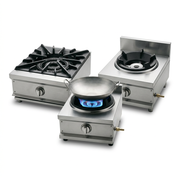
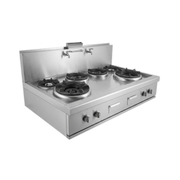
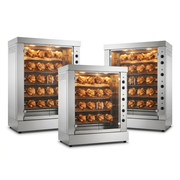
Asian Equipment is a critical component in any commercial kitchen looking to deliver authentic, high-output Asian cuisine. Whether you're outfitting a wok station, noodle bar, or teppanyaki grill, Atlantic Equipment offers precision-built, commercial-grade solutions designed for heavy-duty performance.
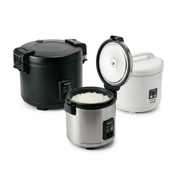
From gas wok burners to rice cookers, our Asian equipment is engineered for fast heating, durability, and smooth operation — essential features for fast-paced kitchens.
-
 GasMax Meat Rod Assembly for KB-5 Kebab Machine KB-5-MS
$150.00From:$102.00 Rent $1.29 + GST/week
Couldn't load pickup availability
-
 GasMax Meat Rod Assembly for KB-3 Kebab Machine KB-3-MS
$110.00From:$74.80 Rent $0.94 + GST/week
Couldn't load pickup availability
-
 Gasmax Meat Rod Assembly for KB-4 Kebab Machine - KB-4-MS
$130.00From:$88.40 Rent $1.12 + GST/week
Couldn't load pickup availability
-
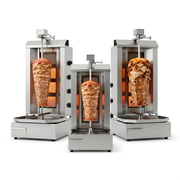
 Gasmax KB-5LPG Semi-automatic 5 Burner LPG Kebab Machine
$2,490.00From:$1,693.20 Rent $21.49 + GST/week
Couldn't load pickup availability
-
 Yasaki Heavy Duty Stainless Steel Electric Kebab Knife KS80AS
$799.00From:$679.15 Rent $8.62 + GST/week
Couldn't load pickup availability
-
 Woodson Countertop Induction Wok
$870.00From:$817.00 Rent $10.37 + GST/week
Couldn't load pickup availability
-
 Waldorf Bold INLB8100W5-LS - 450mm Induction Wok Low Back Version - Leg Stand
$17,895.00From:$13,242.30 Rent $168.07 + GST/week
Couldn't load pickup availability
-
 Waldorf Bold INLB8100W3-LS - 450mm Induction Wok Low Back Version - Leg Stand
$17,045.00From:$12,613.30 Rent $160.09 + GST/week
Couldn't load pickup availability
-
 Waldorf Bold INLB8100W3-B - 450mm Induction Wok Low Back Version - Bench Model
$16,680.00From:$12,343.20 Rent $156.66 + GST/week
Couldn't load pickup availability
-
 Waldorf Bold INB8100W5-LS - 450mm Induction Wok - Leg Stand
$17,895.00From:$13,242.30 Rent $168.07 + GST/week
Couldn't load pickup availability
-
 Waldorf Bold INB8100W5-B - 450mm Induction Wok Low Back Version - Bench Model
$17,530.00From:$12,972.20 Rent $164.64 + GST/week
Couldn't load pickup availability
-
 Waldorf Bold INB8100W3-LS - 450mm Induction Wok - Leg Stand
$17,045.00From:$12,613.30 Rent $160.09 + GST/week
Couldn't load pickup availability
-
 Waldorf Bold INB8100W3-B - 450mm Induction Wok - Bench Model
$16,680.00From:$12,343.20 Rent $156.66 + GST/week
Couldn't load pickup availability
-
 Thor Gas Stock Pot Burner Propane Gas
$2,420.00From:$2,269.00 Rent $28.80 + GST/week
Couldn't load pickup availability
-
 Rotisserie Accessory for Synergy ST1305 Char Grill
$1,750.00From:$1,645.00 Rent $20.88 + GST/week
Couldn't load pickup availability
-
 Rotisserie Accessory for Synergy ST0905 Grill
$1,650.00From:$1,551.00 Rent $19.69 + GST/week
Couldn't load pickup availability
-
 Rotisserie Accessory for Synergy ST0605 Grill
$1,590.00From:$1,494.00 Rent $18.96 + GST/week
Couldn't load pickup availability
-

-
 Robalec Rice Cooker RB-SW7200
$710.00From:$603.50 Rent $7.65 + GST/week
Couldn't load pickup availability
-
 Robalec Rice Cooker RB-SW5400
$476.00From:$404.60 Rent $5.13 + GST/week
Couldn't load pickup availability
-
 Robalec Rice Cooker & Warmer
$769.00From:$653.65 Rent $8.29 + GST/week
Couldn't load pickup availability
-
 Robalec Rice Cooker - large
$774.00From:$657.90 Rent $8.34 + GST/week
Couldn't load pickup availability
-
 K+ Twin Hole Two Waterless Wok Burner Table Natural Gas
$6,825.00From:$5,118.00 Rent $64.96 + GST/week
Couldn't load pickup availability
-
 K+ Twin Hole Two Waterless Wok Burner Table LPG
$6,825.00From:$5,118.00 Rent $64.96 + GST/week
Couldn't load pickup availability


WE’RE HERE TO ANSWER
Asian Cooking FAQs
What's the difference between duckbill and chamber wok burners?
Duckbill wok burners emit a broad, high-BTU flame ideal for intense stir-frying and flash cooking common in Cantonese kitchens. Chamber-style wok burners, on the other hand, offer more controlled heat and are preferred in operations that require greater simmering stability or reduced energy consumption — such as Thai or fusion-style restaurants. Your choice should match both your cuisine and kitchen throughput.
Do wok burners need a specific gas or exhaust setup?
Yes, commercial wok burners typically require a high-pressure natural gas or LPG system and must be installed under a compliant Type 1 hood due to the high heat and grease output. Ventilation must meet local codes (such as AS 1668.1 in Australia), and many setups use water-cooled housing or backsplash drains to handle residual oil splatter and improve hygiene.
How do you maintain and clean commercial dim sum steamers?
To maintain a dim sum steamer, start by descaling the boiler unit monthly (or more often in hard water areas) using a food-safe descaler. After each service, wipe external surfaces with stainless-safe cleaner and leave lids open to prevent condensation. Check gaskets for wear, sanitize food contact surfaces, and empty the water reservoir daily to avoid bacteria buildup. Inspect solenoids and thermostats quarterly for longevity.
What is the typical capacity of a commercial rice cooker for restaurants?
Commercial rice cookers range from 10 to 50 litres, equating to approximately 60 to 250 cooked servings per batch. A 23L unit is standard in medium-sized Chinese or Japanese restaurants and can serve about 120 portions. Many kitchens pair this with a warmer unit to ensure continuous service during peak hours.
Why should I choose specialized Asian Equipment over standard commercial cooking equipment?
Asian equipment is specifically engineered for high-heat, high-output cooking techniques like stir-frying, steaming, and teppanyaki grilling, which standard European-style ranges aren't designed to handle. Purpose-built designs — such as recessed wok rings, water-cooled surfaces, and automatic rice dispensers — offer faster cook times, improved efficiency, and better flavor integrity. This specialization significantly increases ROI by enabling menu authenticity and reducing cook time per dish.