


Benchtop Equipment
-
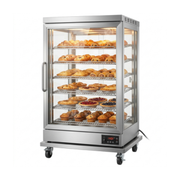
 Roband Counter Top Bain Marie 6 x 1/3 size 100mm pans
$1,296.00From:$1,101.60 Rent $13.97 + GST/week
Couldn't load pickup availability
-
 Benchstar Large Single Contact Grill GH-811EE
$590.00From:$501.50 Rent $6.36 + GST/week
Couldn't load pickup availability
-
 Tre Spade Atacama Pro Deluxe Dehydrator
$660.00From:$531.00 Rent $6.74 + GST/week
Couldn't load pickup availability
-
 Benchstar Smoker/Dehydrator Combination Unit - ESH-8DB
$1,869.00From:$1,512.15 Rent $19.19 + GST/week
Couldn't load pickup availability
-
 Benchstar Food Dehydrator with 24 trays – FD-24HB
$1,099.00From:$891.65 Rent $11.31 + GST/week
Couldn't load pickup availability
-
 Benchstar Food Dehydrator with 16 trays – FD-16HB
$880.00From:$713.15 Rent $9.05 + GST/week
Couldn't load pickup availability
-
 Benchstar Food Dehydrator with 10 trays – FD-10HB
$469.00From:$381.65 Rent $4.84 + GST/week
Couldn't load pickup availability
-
 Woodson Supertoast Multi-Function 8 Slice Glass Element Toaster Griller W.GTQI8S.15
$1,140.00From:$1,071.00 Rent $13.59 + GST/week
Couldn't load pickup availability
-
 Woodson Supertoast Multi-Function 8 Slice Glass Element Toaster Griller W.GTQI8S.10
$1,230.00From:$1,156.00 Rent $14.67 + GST/week
Couldn't load pickup availability
-
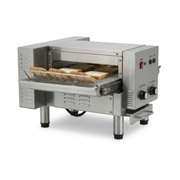
 Woodson Starline Conveyor Toaster W.CVT.D.15
$2,250.00From:$2,115.00 Rent $26.84 + GST/week
Couldn't load pickup availability
-
 Woodson Starline Conveyor Toaster W.CVT.D.10
$2,150.00From:$2,021.00 Rent $25.65 + GST/week
Couldn't load pickup availability
-
 Woodson Pro Series Contact Grill W.GPC350
$3,500.00From:$3,290.00 Rent $41.76 + GST/week
Couldn't load pickup availability
-
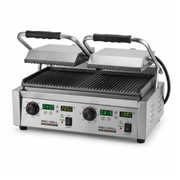
 Woodson Pro Series Computer Controlled Twin Plate Contact Grill W.GPC62SC
$5,200.00From:$4,888.00 Rent $62.04 + GST/week
Couldn't load pickup availability
-
 Woodson Pro Series Computer Controlled Contact Grill W.GPC61SC.R.A
$3,850.00From:$3,619.00 Rent $45.93 + GST/week
Couldn't load pickup availability
-
 Woodson Pro Series Computer Controlled Contact Grill W.GPC61SC
$3,650.00From:$3,431.00 Rent $43.55 + GST/week
Couldn't load pickup availability
-
 Woodson Multi-Function 8 Slice Glass Element Toaster Griller W.GTQI8
$1,085.00From:$1,019.00 Rent $12.93 + GST/week
Couldn't load pickup availability
-
 Woodson Multi-Function 4 Slice Glass Element Toaster Griller W.GTQI4
$940.00From:$883.00 Rent $11.21 + GST/week
Couldn't load pickup availability
-
 Woodson Multi-Function 15 Slice Glass Element Toaster Griller W.GTQI15
$1,300.00From:$1,222.00 Rent $15.51 + GST/week
Couldn't load pickup availability
-
 Woodson Large Griddle Toaster W.GDT75
$1,890.00From:$1,776.00 Rent $22.54 + GST/week
Couldn't load pickup availability
-
 Woodson Chip Dump - Bench Mounted W.CD.B.11
$1,990.00From:$1,870.00 Rent $23.73 + GST/week
Couldn't load pickup availability
-
 Woodson Bench Mounted Pass-Through Chip Dump W.CD.B.P.11
$2,220.00From:$2,086.00 Rent $26.48 + GST/week
Couldn't load pickup availability
-
 Woodson 2/1GN size Benchtop Bain Marie W.BML21
$1,140.00From:$1,071.00 Rent $13.59 + GST/week
Couldn't load pickup availability
-
 Woodson 15 Amp Griddle Toaster W.GDT65
$1,390.00From:$1,306.00 Rent $16.58 + GST/week
Couldn't load pickup availability
-
 Woodson 1/1GN size Benchtop Bain Marie W.BMS11
$930.00From:$874.00 Rent $11.09 + GST/week
Couldn't load pickup availability


WE’RE HERE TO ANSWER
Benchtop Equipment FAQs
What’s the difference between gas and electric benchtop equipment?
Gas benchtop equipment provides faster heat-up times and responsiveness preferred by traditional chefs, but it requires ventilation and licensed installation. Electric models offer precise temperature control, are easier to install, and are better for locations without a gas connection. Electric units also pair well with modern kitchen designs and typically comply better with energy regulations.
Does benchtop equipment require a water connection or a hood?
Some benchtop equipment, like combi steam ovens and pasta boilers, requires a cold water connection and drainage for proper operation. Additionally, units that generate grease-laden vapours—such as griddles or fryers—may require a Type 1 extraction hood to meet local fire and ventilation codes. Always consult with your local health authority before installation.
How should I clean and maintain commercial benchtop equipment?
Daily cleaning involves wiping down stainless steel surfaces with a non-abrasive cleaner and descaling steam-producing units weekly. Fryers should have oil filtered and replaced as recommended, while griddles need regular scraping and seasoning. Preventive maintenance, like inspecting heating elements and replacing gaskets, can extend service life and reduce downtime.
What’s the typical capacity of benchtop cooking equipment?
Capacity varies based on type, but for example, most benchtop combi ovens hold between 3 to 6 GN 1/1 trays. Compact fryers may hold 4–6L of oil per tank, and benchtop griddles typically offer 400–600mm of cooking width—enough for several orders simultaneously. Ensure the unit can handle your menu’s peak volume before choosing a model.
Why choose benchtop equipment over full-size alternatives?
Benchtop units offer excellent ROI due to their low upfront cost, energy efficiency, and spatial flexibility. They enable kitchens to expand capabilities—like adding a griddle or induction burner—without significant renovations. These units also allow culinary teams to trial new menu items or expand prep stations in fast-paced environments without compromising workflow.