


Ice & Water Dispensers
Looking for a reliable solution that delivers both ice and water on demand? Our range of ice & water dispensers is designed for high-volume commercial use, offering hygienic, energy-efficient operation for busy kitchens and beverage stations. Ideal for hospitals, restaurants, and cafes, a commercial ice and water dispenser boosts operational efficiency and customer satisfaction.
-
 BLIZZARD Countertop Nugget Ice & Water Dispenser 166kg/24hr High Capacity Model - SN-369DFrom:
$7,641.50 Rent $96.98 + GST/week
Couldn't load pickup availability
-
 BLIZZARD Countertop Nugget Ice & Water Dispenser 100kg/24hr Compact Model - SN-229DFrom:
$4,751.50 Rent $60.30 + GST/week
Couldn't load pickup availability
-
 Scotsman HD 30 W- 81kg - Ice Dispenser
$12,020.00From:$8,894.80 Rent $112.89 + GST/week
Couldn't load pickup availability
-
 Scotsman HD 30 - 81kg - Ice Dispenser
$10,885.00From:$8,054.90 Rent $102.22 + GST/week
Couldn't load pickup availability
-
 Scotsman HD 22 - 59kg - Ice Dispenser
$9,875.00From:$7,307.50 Rent $92.74 + GST/week
Couldn't load pickup availability
-
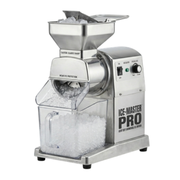
 Scotsman CRUSHMAN 360 - 6kg - Ice Crusher
$4,570.00From:$3,381.80 Rent $42.91 + GST/week
Couldn't load pickup availability
-
 Hoshizaki Self Contained Nugget Ice & Water Dispenser - 50kg
$9,311.00From:$6,517.00 Rent $82.72 + GST/week
Couldn't load pickup availability
-
 Hoshizaki Self Contained Nugget Ice & Water Dispenser - 105kg
$10,024.00From:$7,016.00 Rent $89.05 + GST/week
Couldn't load pickup availability
-
 Hoshizaki Modular Worksite Ice Dispenser
$14,495.00From:$10,146.00 Rent $128.78 + GST/week
Couldn't load pickup availability
-
 Hoshizaki Modular Worksite Ice & Water Dispenser
$15,520.00From:$10,864.00 Rent $137.89 + GST/week
Couldn't load pickup availability
-
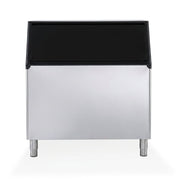
 Blizzard Ice Dispenser Capacity 60Kg SD-130B
$5,490.00From:$4,666.50 Rent $59.22 + GST/week
Couldn't load pickup availability
-
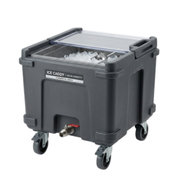
 Benchstar Insulated Drink Dispenser CPWK020-5
$390.00From:$331.50 Rent $4.20 + GST/week
Couldn't load pickup availability


WE’RE HERE TO ANSWER
Ice & Water Dispensers FAQs
What’s the difference between a nugget ice dispenser and a cubelet ice dispenser?
Nugget ice dispensers produce soft, chewable ice commonly used in healthcare and fast food environments. Cubelet ice, while similar, is slightly denser and irregularly shaped, offering slower melt rates for beverage applications. Cubelet dispensers are often preferred in settings where ice presentation and slower dilution are crucial, such as in busy cafés or restaurants.
Do commercial ice & water dispensers require plumbing and power upgrades?
Yes, most commercial ice & water dispensers require a direct cold water line, a floor drain, and a compatible electrical circuit. Units under 100kg/day typically run on single-phase 10A power, while high-capacity models (over 150kg/day) may need a 15A or even 3-phase power supply. Water filtration is recommended to reduce limescale build-up and extend unit lifespan.
How do you properly clean and sanitize a commercial ice & water dispenser?
To maintain hygiene, clean weekly with a food-safe ice machine cleaner. Descale every 1–3 months depending on water hardness. Open access areas, including dispensing nozzles and drain trays, should be disinfected daily. Always follow the manufacturer’s maintenance schedule and replace water filters every 6 months to maintain optimal purity and machine efficiency.
What ice production capacity do I need for a 150-seat restaurant?
For a 150-seat restaurant, plan for 0.75 to 1.0 kg of ice per patron per day. A commercial unit with a minimum of 115–150kg/day capacity is recommended to handle peak service times, especially if the dispenser serves multiple beverage stations or kitchen prep areas. Ensure the model offers adequate ice storage—typically 25–50% of daily output.
Why choose a commercial ice & water dispenser over separate machines?
An integrated ice & water dispenser offers space savings, reduced plumbing, and streamlined operation. It minimises cross-contamination risk by reducing touchpoints and ensures consistent dispensing for high-traffic environments. These all-in-one units are ideal for self-serve applications, hospitals, and fast-paced kitchens, providing hygienic, high-capacity service with minimal staff intervention.