


Crepe Machines
Deliver precision and consistency in every serve with our commercial crepe machines. Designed for high-volume kitchens, these units offer fast heat-up times, easy temperature adjustment, and durable cast iron or non-stick plates built for daily commercial use. Whether you're running a hotel buffet or a busy café, Atlantic Equipment's range brings efficiency to the forefront of your food service operations.
Explore high-performance electric and gas crepe makers trusted by professional chefs for consistent browning and smooth batter spread every time.
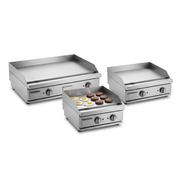
-
 Benchstar Crepe Maker 1 Plate DE-1E
$590.00From:$501.50 Rent $6.36 + GST/week
Couldn't load pickup availability

WE’RE HERE TO ANSWER
Crepe Machines FAQs
What is the difference between gas and electric crepe machines?
Gas crepe machines heat faster and are ideal for high-output kitchens with ventilation, while electric models offer precise temperature control and are easier to install, especially in café or buffet setups without gas connections. Gas units often feature manual valves, whereas electric units use thermostats for fine temperature adjustment.
Do crepe machines require a ventilation hood or special power connection?
Electric crepe machines typically do not require a ventilation hood as they emit minimal smoke, especially with non-stick plates. However, gas models may require installation under a Type A or B hood depending on your local regulations. For power, most commercial electric crepe makers are single-phase, but double-plate or high-wattage units may require a 3-phase connection.
How do I clean and season a commercial crepe machine?
To clean a cast iron crepe plate, gently scrape off residue with a spatula and wipe with a cloth. Re-season using a thin layer of oil spread across the hot plate to maintain the natural non-stick surface. For non-stick plates, allow the unit to cool and wipe with a damp cloth. Avoid abrasive tools or soap on seasoned plates to prevent damage.
How many crepes can a commercial crepe machine make per hour?
Output varies by model and operator skill, but a single-plate crepe machine typically produces 50–60 crepes per hour. Double-plate crepe machines can deliver up to 100–120 crepes hourly, making them suitable for high-demand operations such as dessert kiosks, creperies, or continental breakfast services.
Why choose a commercial crepe machine over a standard griddle?
Commercial crepe machines offer even, high-precision heat across a large flat surface, specifically designed for thin batter applications. Unlike griddles, they maintain consistent temperature control essential for uniform cook and texture. They also reduce sticking and deliver faster turnaround, especially in high-volume settings, significantly enhancing efficiency and presentation.