


Fork Mixers
Discover our premium range of commercial fork mixers, engineered for high-volume dough production in bakeries and pizzerias. Whether you're mixing stiff pizza dough or delicate artisan bread, our industrial-grade fork dough mixers deliver superior gluten development with less heat oxidation, preserving dough quality.
Built for performance and durability, fork mixers are ideal for kitchens demanding efficiency, consistency, and long-term ROI.
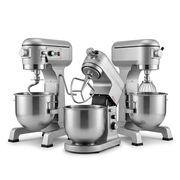
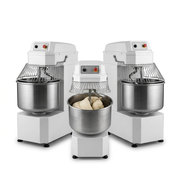
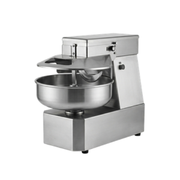
-
 Ex-Showroom: Prismafood Commercial Pizza Fork Mixer IMF35T
$8,249.00From:$5,774.30 Rent $73.29 + GST/week
Couldn't load pickup availability

WE’RE HERE TO ANSWER
Fork Mixers FAQs
What is the difference between fork mixers and spiral mixers?
Fork mixers use a rotating fork-shaped tool and a rotating bowl to gently knead dough, reducing friction and heat buildup — ideal for artisan breads. Spiral mixers have a fixed bowl and rotating spiral hook, working faster but heating dough more, which can affect hydration-sensitive recipes. Fork mixers offer superior dough structure preservation and gluten development in long fermentation processes.
Do commercial fork mixers require 3-phase power?
Yes, most commercial fork mixers require 3-phase power due to their high-torque motors and heavy-duty performance. Smaller countertop models may be available in single-phase, but industrial units with 30kg+ flour capacity generally run on 3-phase to ensure efficient, consistent operation without burnout.
How do you clean and maintain a fork mixer?
To clean a fork mixer, always unplug and remove dough residue after each use using a food-safe scraper. Periodically sanitize with a damp cloth and mild detergent. Lubricate the fork arm and bowl rotation parts monthly, check gear oil levels (if applicable), and inspect the electronic panel annually to prevent wear-related failures.
What size fork mixer do I need for a 40kg dough batch?
For a 40kg dough batch (which typically equals about 25-28kg of flour depending on hydration), you’ll need a fork mixer with at least 50kg total dough capacity. Choosing a slightly larger unit ensures smoother mixing without overloading the motor or compromising dough quality.
Why choose a fork mixer over a planetary mixer for dough preparation?
Fork mixers are designed specifically for dough. Unlike planetary mixers that mix more aggressively and can overheat or tear dough, fork mixers knead slowly, preserving gluten integrity and reducing over-oxidation. This leads to superior fermentation, flavor, and texture — making them ideal for artisan bread and Neapolitan pizza.