The right commercial ice machine is the one matched to your daily ice volume, the ice shape your menu needs, and the space and utilities you have to install it. For most Australian cafés, bars, restaurants and hotels that means choosing between cube, flake, nugget, undercounter and modular machines, then sizing the unit (and its storage bin) to cover your busiest hour, not your average day. Get those three decisions right and you remove bagged-ice costs, reduce downtime and keep drinks and chilled displays consistent.
📋 What this guide covers
- How a commercial ice machine differs from a domestic unit
- The five main machine types and where each one fits
- The six factors that decide which model is right for you
- Capacity planning by venue type
- A maintenance routine that protects hygiene and lifespan
Why a commercial ice machine is worth getting right
A commercial ice machine is built for continuous, high-volume production well beyond what a domestic ice maker can manage. That difference shows up in the things that matter on a busy service: higher production capacity, faster cooling cycles, better durability, and consistent ice size and clarity. Units with proper filtration also deliver cleaner ice, which matters for both presentation and food safety.
The practical payoff is fewer disruptions during peak trade and an end to buying bagged ice, which is expensive and inconsistent. A well-specified unit becomes part of your service infrastructure rather than a recurring cost.
Types of commercial ice machines
The best machine depends on your business model, your available space and the drinks or chilled food you serve. These are the five most common formats.
Cube ice machines
Cube ice is slow-melting and visually appealing, so it suits soft drinks, cocktails, spirit mixers and general hospitality service. Slower melt means less dilution, which is why bars favour it.
Flake ice machines
Flake ice is soft, mouldable and cools fast. It is the standard choice for seafood and meat display counters, salad bars, bakery cooling and medical use, where you need ice to pack around product.
Nugget ice machines
Also called chewable ice, nugget ice is highly absorbent and lifts the drinking experience. It is popular in cafés, juice bars, bubble tea shops and fast-casual drink outlets.
Undercounter ice machines
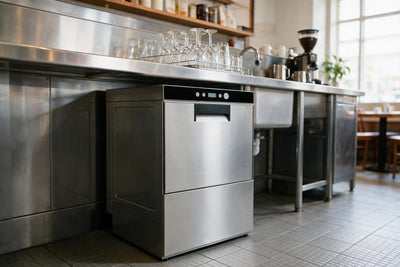
Compact machines that sit under a worktable, ideal for small cafés, low-space bars and boutique restaurants where floor space is tight.
Modular ice machines
Designed for high-volume production and usually paired with a large storage bin. Modular units suit hotels, banquet halls, entertainment venues and large restaurants.
| Ice type | Best for | Key benefit |
|---|---|---|
| Cube | Bars, mixers, general hospitality | Slow-melting, low dilution |
| Flake | Seafood and meat displays, salad bars | Mouldable, packs around product |
| Nugget | Cafés, juice and bubble tea | Chewable and absorbent |
| Undercounter | Small cafés and bars | Fits tight spaces |
| Modular | Hotels, banquets, large venues | High output with bin storage |
Key factors to weigh before you buy
Once you know which ice type suits your menu, work through these six factors to land on the right model.
1. Daily ice production needs
Estimate both your average and your peak consumption, then choose a machine that covers the busiest hours comfortably. The figures below are a useful starting point.
| Business type | Average daily ice usage |
|---|---|
| Bar | 1 to 2 kg per customer |
| Restaurant | 0.5 to 1 kg per customer |
| Hotel | 2 to 4 kg per guest |
| Café | 10 to 15 kg per 100 drinks |
2. Ice shape requirements
Choosing the wrong shape affects both presentation and drink dilution. As a quick guide:
- Bars: cube or gourmet ice
- Cafés: nugget ice
- Seafood counters: flake ice
- Fast food: cube or nugget
Match the ice to your menu and beverage style rather than the other way around.
3. Installation, space and ventilation
Before you commit, check your floor or undercounter space, ventilation clearance, whether an air-cooled or water-cooled unit suits the site, and your plumbing and electrical access. Air-cooled machines need room to breathe; water-cooled units handle hot or poorly ventilated rooms better but use more water.
⚠️ Mind the ventilation clearance
Crowding an air-cooled machine against a wall or hot equipment is the most common cause of overheating, poor output and early compressor failure. Always leave the manufacturer's specified clearance.
4. Energy efficiency
Efficient machines cut both electricity and water costs over their working life. Look for high-efficiency motors, eco-friendly refrigerants, optimised water use and Energy Star certification where available.
5. Noise levels
Noise matters in cafés, open bars and small dining areas where the machine sits near guests. A low-noise unit keeps the front-of-house environment comfortable.
6. Storage capacity
High production counts for little without somewhere to hold the ice. Pair the machine with a correctly sized bin so output keeps up with demand through service.
🔧 Pro tip, size for the peak hour
Spec your machine and bin to cover your single busiest hour, then add a margin. A unit that just scrapes through on an average day will run short the moment trade spikes.
Maintenance that protects performance and lifespan
Regular maintenance keeps an ice machine producing clean, consistent ice and is the single biggest factor in how long it lasts. A practical routine looks like this:
- Clean air filters monthly
- Descale the system every 3 to 6 months
- Replace water filters on schedule
- Sanitise interior and exterior surfaces regularly
- Maintain proper airflow around the unit
- Listen for abnormal noises
- Check ice shape stays consistent
A well-maintained machine can run for many years with minimal repairs. In Australia, ice falls under food safety obligations, so routine sanitising is also good compliance practice under the FSANZ Food Standards Code.
ℹ️ Which venues rely on ice machines most
Restaurants, cafés, bars and pubs, hotels and resorts, catering services, hospitals and clinics, seafood markets and convenience stores all depend on reliable ice. Any business serving drinks or chilled food needs dependable production.
Bringing the decision together
An ice machine is a long-term investment that should improve service speed, product quality and overall performance. Work through your daily ice needs, the shape your menu calls for, your installation space, your noise tolerance and energy efficiency, and you will arrive at a model that genuinely fits the business. If you also run chilled displays or cold storage, it is worth planning ice alongside your wider commercial refrigeration so the whole cold side of the kitchen works together. Our guide to choosing commercial refrigeration walks through that side in detail.
Frequently Asked Questions
Most units last 8 to 10 years, depending on how often they are maintained and how hard they are worked. Regular descaling, filter changes and sanitising are what push a machine towards the upper end of that range.
Cafés usually get the most from a nugget ice machine, because the chewable, absorbent ice improves drink texture and customer experience. Cube machines remain a sound all-round alternative.
It depends on volume and space. Modular units paired with a storage bin suit high-volume operations, while undercounter models are ideal where floor space is limited and demand is lower.
Models with Energy Star certification, eco-friendly refrigerants and optimised water use deliver the best efficiency. Correct ventilation and routine maintenance also keep running costs down.
Clean and sanitise every 1 to 3 months depending on usage, and descale every 3 to 6 months. Busy venues should clean at the shorter end of that range.