


Commercial Blenders
Commercial blenders are essential in any high-volume kitchen, delivering the power, durability, and speed that professional chefs require. Whether you're blending smoothies, sauces, or prepping for large batches, a commercial-grade blender ensures consistency and efficiency with every use.
Engineered for relentless daily use, these blenders are ideal for restaurants, cafés, juice bars, and institutional kitchens seeking faster prep times and long-term value.
-
 Robot Coupe CMP300VV Immersion Blender Stick Blender
$1,320.00From:$1,174.80 Rent $14.90 + GST/week
Couldn't load pickup availability
-
 Hamilton Beach Tempest Blender
$1,480.00From:$1,191.00 Rent $15.12 + GST/week
Couldn't load pickup availability
-
 Apuro Digital Bar Blender with Sound Enclosure 2.5Ltr
$879.90From:$558.00 Rent $7.08 + GST/week
Couldn't load pickup availability
-
 Apuro Bar Blender 2.5Ltr 1.68kW variable speed CR836-A
$659.90From:$446.00 Rent $5.66 + GST/week
Couldn't load pickup availability
-
 Yasaki Wall hanger for Blender - WB-3
$26.00From:$22.10 Rent $0.28 + GST/week
Couldn't load pickup availability
-
 Yasaki Variable Speed Stick Blender 550mm Shaft ISB550V
$599.00From:$509.15 Rent $6.46 + GST/week
Couldn't load pickup availability
-
 Yasaki Variable Speed Stick Blender 450mm Shaft ISB450V
$499.00From:$424.15 Rent $5.38 + GST/week
Couldn't load pickup availability
-
 Yasaki Variable Speed Stick Blender 350mm Shaft ISB350V
$499.00From:$424.15 Rent $5.38 + GST/week
Couldn't load pickup availability
-
 Yasaki Variable Speed Stick Blender 225mm Shaft ISB160V
$399.00From:$339.15 Rent $4.30 + GST/week
Couldn't load pickup availability
-
 Waring Torq 2 Bar Blender TBB175NNA
$1,099.90From:$875.00 Rent $11.11 + GST/week
Couldn't load pickup availability
-
 Waring hi power electronic keypad blender MX1100XTXNNA
$1,539.90From:$1,375.00 Rent $17.45 + GST/week
Couldn't load pickup availability
-
 Waring hi power electronic keypad blender MX1050XTXNNA
$1,429.90From:$1,281.00 Rent $16.26 + GST/week
Couldn't load pickup availability
-
-
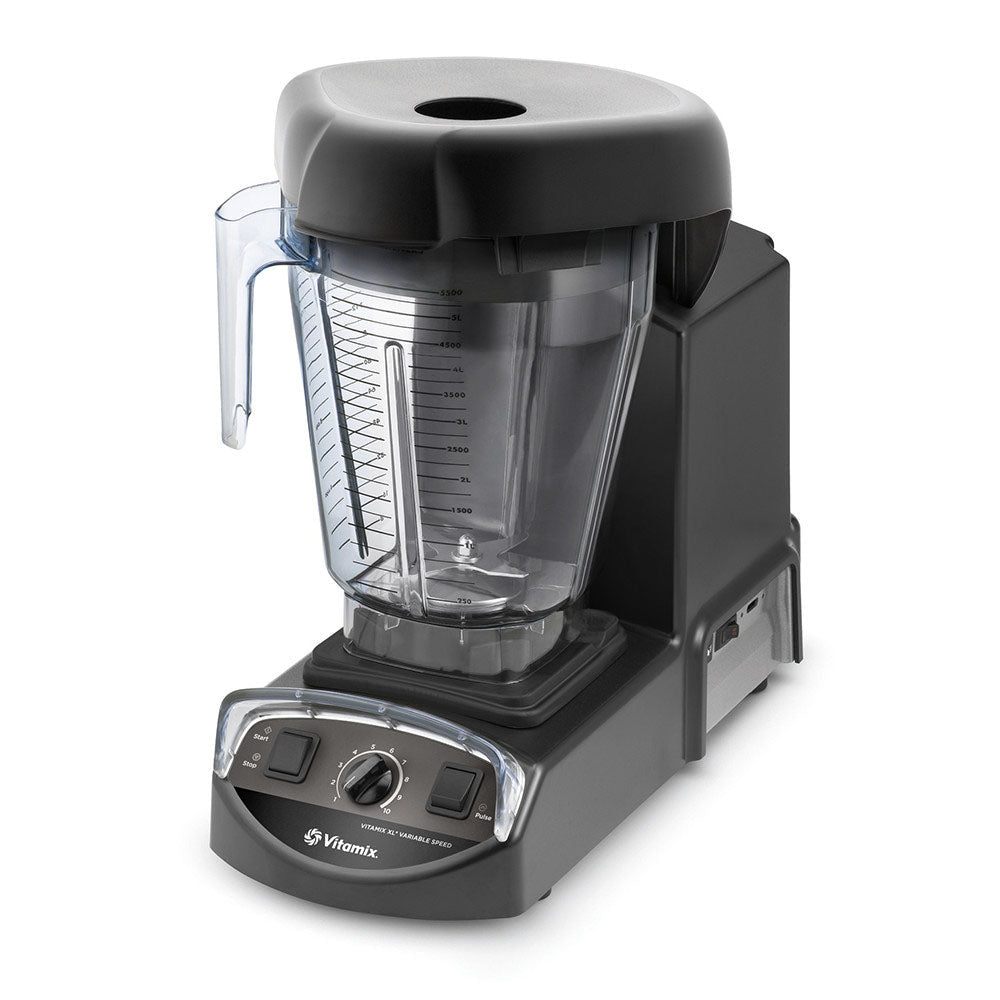
 Vitamix Vita-Prep 3
$1,885.00From:$1,526.85 Rent $19.37 + GST/week
Couldn't load pickup availability
-
 Vitamix Two-Speed Drink Machine
$1,375.00From:$1,099.09 Rent $13.95 + GST/week
Couldn't load pickup availability
-
 Vitamix The Quite One ON-Counter
$3,740.00From:$2,990.00 Rent $37.95 + GST/week
Couldn't load pickup availability
-
 Vitamix Drink Machine Advance Red
$1,655.00From:$1,326.36 Rent $16.83 + GST/week
Couldn't load pickup availability
-
 Vitamix Drink Machine Advance Black
$1,655.00From:$1,326.36 Rent $16.83 + GST/week
Couldn't load pickup availability
-
 Skymsen Tilting Blender 25Lt
$1,600.00From:$1,288.00 Rent $16.35 + GST/week
Couldn't load pickup availability
-
 Robot Coupe MP800 Turbo Tilting Pan Immersion Blender Stick Blender
$3,440.00From:$3,061.60 Rent $38.85 + GST/week
Couldn't load pickup availability
-
 Robot Coupe MP800 Turbo Immersion Blender Stick Blender
$3,960.00From:$3,524.40 Rent $44.73 + GST/week
Couldn't load pickup availability
-
 Robot Coupe MP600 Ultra Immersion Blender Stick Blender
$2,555.00From:$2,273.95 Rent $28.85 + GST/week
Couldn't load pickup availability
-
 Robot Coupe MP550 Ultra Immersion Blender Stick Blender
$2,155.00From:$1,917.95 Rent $24.33 + GST/week
Couldn't load pickup availability
-
 Robot Coupe MP450 XL FW Ultra Immersion Blender Stick Blender
$2,365.00From:$2,104.85 Rent $26.70 + GST/week
Couldn't load pickup availability


WE’RE HERE TO ANSWER
Commercial Blenders FAQs
What’s the difference between a bar blender and a food prep blender?
Bar blenders are designed for ice crushing and quick drink blending, ideal for cocktails and smoothies. Food prep blenders feature more robust motors, durable containers, and specialized blade assemblies for pureeing, emulsifying, and blending dense foods like soups, sauces, or nut butters. if you're blending hot or heavy ingredients, a food prep blender is better suited for the job.
Do commercial blenders require a specific power connection?
Most commercial blenders are powered by 240V single-phase outlets, which are standard in commercial kitchens. Heavy-duty or high-performance units might require 3-phase power for enhanced efficiency and consistent torque under continuous load. Always verify the power requirements before installation to avoid electrical issues or overloading.
How should I clean and maintain a commercial blender for longevity?
Rinse the blender jar immediately after each use. Use a self-cleaning cycle if available or run warm water with a drop of detergent for 30 seconds on high. Remove and sanitize the gasket and blade assembly regularly. Lubricate motor couplings as recommended and inspect the drive clutch for wear every month to ensure consistent performance.
What is the typical capacity of a commercial blender jar?
Commercial blender jars typically range from 1.4L to 4L (around 48oz to 135oz), depending on the use case. For beverage stations and juice bars, 1.8L to 2.5L is standard. Food prep operations often prefer the larger 3–4L jars to process high-volume batches in fewer cycles.
Why should I use a commercial blender instead of a household model?
Commercial blenders are built for durability, high output, and speed. They handle tougher ingredients, run continuously without overheating, and offer programmable features for consistency. In a high-demand setting, a household blender will wear out quickly, while a commercial blender delivers lower costs per blend and higher ROI in the long term.