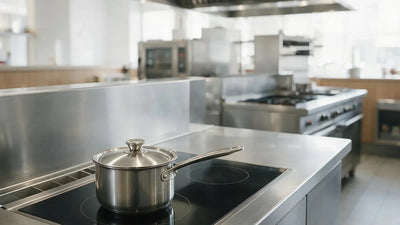
A bench freezer gives a commercial kitchen reliable frozen storage without eating into floor space, and in many formats it doubles as a usable prep surface. That mix of capacity and compact footprint is why bench freezers suit restaurants, cafés, bars, bakeries and catering operations. The right model depends on how much you freeze, your layout, and the access style (sliding lid, baskets or glass top) that matches your workflow.
📋 What this guide covers
- What bench freezers are and how they work
- The main types and where each fits
- Key features and how to choose
- Maintenance tips to protect performance
- Answers to common buying questions
What are bench freezers?
Bench freezers are low-profile freezing units designed to sit on counters or benches, or to stand alone as floor units. They suit venues with limited space but real freezing demand, and typically use sliding lids, baskets or dividers to keep frozen product organised.
Common strengths include rapid freezing, consistent temperature control, a compact design and durable construction built for continuous commercial use.
Types of bench freezers
The right bench freezer depends on your storage needs and kitchen layout.
Upright bench freezers
- Vertical orientation maximises storage in limited floor space
- Multiple shelves or baskets for organised storage
- Ideal for small to medium cafés, bars and restaurants
Chest-style bench freezers
- Open-top design for bulk storage and quick access
- Suit frozen ingredients, desserts and beverages
- Best for high-volume kitchens or catering operations
Undercounter bench freezers
- Fit neatly under workstations or prep counters
- Save kitchen space without losing capacity
- Ideal for bars, coffee shops and small commercial kitchens
Glass-top display bench freezers
- Transparent lid showcases frozen product
- Useful for dessert shops, gelato parlours and convenience stores
- Improve customer engagement while keeping products visible
Portable bench freezers
- Lightweight and mobile for events or temporary setups
- Flexible storage across multiple stations
- Suit catering and pop-up kitchens
Key features to compare
| Feature | What to look for |
|---|---|
| Temperature control | Adjustable thermostat for freezing ice, beverages and ingredients |
| Storage capacity | Size chosen for daily volume and peak demand |
| Energy efficiency | Low energy consumption to reduce running costs |
| Construction quality | Stainless steel or robust ABS for hygiene and durability |
| Lids and doors | Sliding, hinged or glass-top options for easy access |
| Rapid freezing | Consistent low temperatures that protect product quality |
| Mobility | Wheels or lightweight build on portable models |
Benefits of using bench freezers
- Optimised space: compact design fits under counters or on benches.
- Product quality: holds ice, frozen ingredients and desserts at optimal temperatures.
- Energy efficiency: modern units use less power while maintaining freezing performance.
- Better workflow: organised compartments and easy access cut service time.
- Versatility: suit bars, restaurants, cafés, dessert shops and catering.
- Durability: heavy-duty construction stands up to continuous commercial use.
ℹ️ Chest, upright or undercounter?
Chest-style units give the most usable volume per dollar and hold temperature well during power interruptions, but you lose bench space. Upright models organise stock on shelves and save floor space. Undercounter freezers integrate into a prep run. Match the format to whether bulk capacity, organisation or footprint matters most.
How to choose the right bench freezer
- Assess storage requirements: work out daily volume and the types of product you store.
- Select the layout: choose upright, chest, undercounter or glass-top to suit space and workflow.
- Check temperature control and freezing: look for stable temperatures and rapid freezing.
- Evaluate construction: stainless steel or robust ABS is best for hygiene and long-term use.
- Accessibility and organisation: baskets, dividers and sliding lids improve management.
- Energy consumption: energy-saving technology lowers operating costs.
- Maintenance and cleaning: removable baskets and easy-to-clean interiors simplify upkeep.
Popular uses
- Storing frozen beverages, ice and cocktail ingredients
- Bulk storage for desserts, pastries and prepped ingredients
- Under-counter solutions for bars, cafés and restaurants
- Display storage in dessert shops or convenience stores
- Catering and mobile operations needing portable freezing
Maintenance tips
- Clean interiors and exteriors regularly to prevent frost buildup
- Defrost units as needed to maintain efficiency
- Check door and lid seals for proper closure
- Inspect temperature control and cooling elements periodically
- Schedule professional servicing for long-term reliability
⚠️ Don't let frost build up
Frost buildup acts as insulation, forcing the compressor to work harder and pushing up energy use while reducing usable capacity. Defrost on a regular schedule and keep lid seals clean so the freezer holds temperature efficiently.
To browse units, see our chest freezers, upright storage freezers and ice cream display freezers for glass-top options. View the full commercial freezers range, and if you also need chilled storage, see our commercial fridges. For cold storage planning, read our guide to choosing the right commercial fridge.
Frequently Asked Questions
Bench freezers are compact and designed to fit under counters or on benches, while standard chest freezers are bulkier and floor-standing. Bench formats prioritise saving space in tight kitchens.
Yes. They save space while maintaining strong freezing performance, which makes them a good fit under a bar prep run or service counter.
Chest-style and upright models are designed for continuous, high-volume use in commercial kitchens. Size the unit to your peak demand so it is not constantly at capacity.
Wipe surfaces daily and clean interiors weekly, and defrost as needed. Regular seal checks keep the unit running efficiently.
Modern glass-top models use energy-saving insulation and LED lighting to stay efficient while still displaying product clearly.