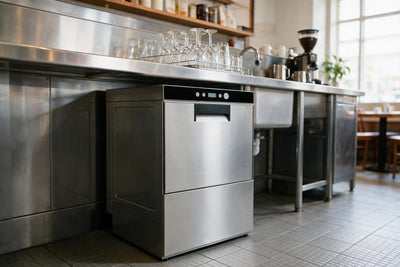
A sink bench with splash back is a stainless steel washing station that combines a sink bowl with an integrated raised back panel. The splash back stops water, food residue and cleaning chemicals reaching the wall behind the sink, which keeps the surrounding area cleaner and protects the building fabric. For any kitchen handling constant dishwashing and ingredient rinsing, it is one of the hardest-working fixtures on the line.
📋 What this guide covers
- What a sink bench with splash back is and why the back panel matters
- The hygiene and workflow benefits in a busy kitchen
- How to choose bowl configuration, length and splash back height
- Installation and maintenance tips for long service life
What is a sink bench with splash back?
It is a single unit that brings together a sink bowl and a raised rear panel on one stainless steel bench. The splash back rises behind the bowl so that water and debris thrown up during washing land back on the bench rather than on the wall or nearby equipment. That design makes it well suited to commercial kitchens where hygiene, safety and easy cleaning are non-negotiable.
Why these benches are essential in commercial kitchens
Professional kitchens run under strict hygiene rules and heavy daily workloads. A properly designed sink bench supports both cleanliness and throughput:
- Water containment: the splash back stops moisture reaching walls, preventing damage and mould over time.
- Less cleaning around the wash zone: contained splashes mean fewer surfaces to wipe down after each shift.
- Better staff comfort: a well-sized bench reduces awkward movement during repetitive washing.
- Food safety support: a sealed, easily sanitised station helps meet the standards inspectors expect.
ℹ️ Why the wall behind a sink matters
The FSANZ Food Standards Code requires that walls and surfaces in food preparation areas be kept clean and in good condition. A splash back keeps the wall behind the sink dry and wipeable, which is far easier to maintain than tiles or paint exposed to constant splashing.
Key benefits of a sink bench with splash back
Improved hygiene and water containment
The raised back panel acts as a barrier, keeping water and debris confined to the sink area for a cleaner, safer environment.
Durable stainless steel construction
Most commercial sink benches are made from high-grade stainless steel, which resists corrosion, heat and the wear of heavy daily use.
Efficient dishwashing workflow
An integrated bench lets staff wash, rinse and stack in one place without crossing the kitchen, which speeds up the wash cycle during service.
Easy cleaning and maintenance
Smooth stainless steel surfaces wipe down and sanitise quickly, which matters when the station is in use all day.
Common applications
Dishwashing stations in restaurants and cafés
Ideal for washing plates, cookware and utensils through peak service.
Food preparation and cleaning zones
Frequently used for rinsing vegetables, seafood and raw ingredients while protecting the surrounding prep area.
Catering and hospitality kitchens
Suited to high-volume environments where durability and hygiene cannot be compromised.
How to choose the right sink bench
The right station depends on your layout and washing volume. These are the points worth weighing up.
| Factor | Single bowl | Double bowl |
|---|---|---|
| Best for | Lower wash volume, tighter spaces | ✓ Wash-and-rinse workflow, high volume |
| Footprint | ✓ Compact | Larger |
| Workflow | One basin for all tasks | Separate basins for soak and rinse |
Beyond bowl configuration, check that the bench length fits your space and that the splash back height gives enough protection for the wall behind. Commercial-grade stainless steel is the standard for durability and compliance, and it is worth confirming whether you need extras such as drainboards or a matching cover.
🔧 Pro tip, match the bench to the dishwasher flow
If the sink bench feeds a pass-through or hood dishwasher, position it on the dirty-dish side so plates move in one direction, scrape, wash, stack. Getting the bench on the correct side avoids staff doubling back and keeps clean and dirty items apart.
Integrating with the rest of the wash area
A sink bench works best as part of a planned washing zone rather than a standalone fixture. Many kitchens pair the bench with a protective cover so the sink surface can double as a temporary prep or resting area when it is idle, using accessories from our sink bowl cover guide.
For storing cleaning tools and accessories close to the wash zone, a compact shelf helps keep the bench clear, as covered in our single storage shelf guide. You can browse matching washing stations in the workbenches with splashback collection, or the wider sink benches and sinks range.
Why choose a sink bench from Atlantic Equipment
At Atlantic Equipment, sink benches with splash backs are selected to meet the demands of Australian commercial kitchens. Built for durability, hygiene and daily performance, these units suit operators who need equipment that holds up under constant use, with a focus on quality materials and practical design.
Installation and maintenance tips
- Install on level flooring so water drains correctly toward the waste
- Ensure adequate plumbing access and ventilation
- Clean surfaces daily to prevent grease and residue building up
- Periodically inspect seals and joints for wear
Routine maintenance extends the life of a stainless steel sink bench and keeps performance consistent.
Frequently Asked Questions
It is used for dishwashing and cleaning tasks while the raised back panel prevents water from splashing onto walls or nearby equipment.
Yes. They are commonly used for washing ingredients such as vegetables and seafood, and the splash back helps keep the prep area around them clean.
Yes. Stainless steel is durable, corrosion-resistant and easy to clean, which makes it the standard choice for commercial kitchen washing stations.
Many models come in different sizes and bowl configurations to suit various kitchen layouts, with options such as single or double bowls and drainboards.