The restaurant innovations worth knowing fall into six practical areas: smart kitchen equipment, kitchen automation, digital ordering and payment, hygiene and maintenance technology, sustainability, and data analytics. Get these right and you cut waste, speed up service, and lift consistency, which is where margin lives in a busy venue. This guide walks through each area and the equipment that supports it, so you can decide what to adopt first.
📋 What this guide covers
- Why innovation now drives efficiency and consistency, not just novelty
- Smart cooking and refrigeration equipment worth specifying
- Automation that supports chefs rather than replacing them
- Digital ordering, hygiene tech, sustainability and analytics
Why innovation matters for restaurants right now
Australian venues are squeezed from several directions at once. New concepts open constantly, diners expect speed and transparency, and labour, ingredient and energy costs keep climbing. On top of that, customers want the same dish to taste the same every visit.
Innovation is how operators answer all of that without burning out their teams. The right tools reduce waste, protect quality, and free staff to focus on the parts of the job that actually need a human.
1. Smart kitchen equipment for higher efficiency
The kitchen is where most of your cost and quality risk sits, so it is the logical place to start. Newer commercial equipment is built to improve cooking speed, output consistency, energy use, and hygiene at the same time.
Advanced commercial grilling systems
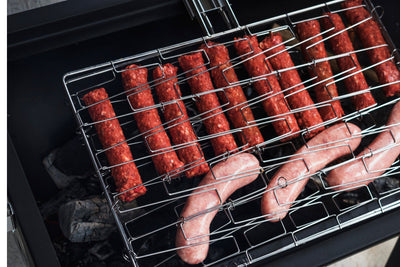
Grill houses, barbecue spots and bistros lean heavily on grill performance. A quality unit from a range of commercial char grills holds heat evenly, shortens cooking time, and keeps results uniform across a long service, which matters most on premium, grill-led menus.
High-precision Asian cooking tools
Restaurants serving Chinese and other Asian cuisines benefit from modern wok systems. Purpose-built wok burners deliver intense, even heat for faster stir-frying and that signature wok hei aroma. You can see the wider category on our Asian cooking page.
Smarter food storage
Ingredient freshness ties directly to food quality and waste. Modern commercial fridges with accurate temperature control, energy-saving features and real-time monitoring keep stock in better condition for longer and flag problems before they cost you product.
🔧 Pro tip, start where the pain is
Pick the one bottleneck that slows every service (often the grill, the cooktop or cold storage) and upgrade that first. A single well-chosen unit usually pays back faster than a broad refit.
2. Automation in the kitchen: faster output, fewer errors
Automation does not replace chefs. It absorbs the repetitive, error-prone tasks so the team can spend more time on quality and menu development.
- Smart mixers for consistent dough batch after batch
- Automatic fryers with built-in timers and programmed cycles
- Portion control devices to keep plate costs predictable
- Programmable cooking equipment for repeatable results
Fork mixers for stable dough
Bakeries, pizzerias and cafes increasingly use fork mixers because the gentle action preserves gluten structure and produces consistent, well-developed dough.
Pasta and noodle cookers for faster output
Pasta and noodle-led kitchens get reliable texture and fewer mistakes from dedicated pasta cookers, which hold the water at the right temperature and speed up production through peak hours.
3. Digital transformation: from ordering to payment
Digital tools have changed how guests interact with a venue. Diners now expect convenience, clarity and quick service from the moment they sit down.
- QR code ordering to streamline service and reduce front-of-house load
- Self-checkout and contactless payments for faster turnover
- Cloud-based POS that links sales, inventory and analytics
- Table management software to cut wait times and overbooking
Used together, these systems lift throughput while making the experience smoother for the customer.
4. Hygiene and maintenance technology
Reputation starts with hygiene, so cleanliness is part of customer trust, not a back-of-house afterthought. Newer sanitation technology helps venues hold high standards without slowing the line.
Automated sanitising stations, temperature monitoring, and high-efficiency dish and glass washers all contribute. Bars and venues serving drinks particularly benefit from reliable commercial glass washers that turn out spotless glassware even at peak. The broader commercial dishwashing range covers the rest of the wash-up.
ℹ️ Food safety is the baseline
Under the FSANZ Food Standards Code, Australian food businesses must keep cold food at or below 5°C and hot food at or above 60°C. Equipment that holds these temperatures reliably, and lets you log them, makes compliance far easier.
5. Sustainability: a growing priority
More customers actively choose environmentally responsible venues, so sustainability has become a genuine point of difference. It also tends to lower running costs over time.
Practical steps include energy-efficient equipment, systems that minimise food waste, reusable or biodegradable packaging, and water-efficient cleaning. Each reduces environmental impact while appealing to the customers who care about it.
6. Data analytics for smarter decisions
Modern venues do not run on gut feel alone. With a capable POS and inventory system, owners can track what is really happening.
- Best-selling and underperforming menu items
- Peak service hours and staffing needs
- Seasonal sales patterns
- Ingredient usage and waste
Decisions backed by this data lead to tighter cost control and stronger profitability.
Key innovations and their benefits at a glance
| Innovation area | Example tools | Primary benefit |
|---|---|---|
| Smart kitchen equipment | Char grills, wok burners, commercial fridges | Better consistency, faster output, lower energy use |
| Automation | Fork mixers, pasta cookers, automatic fryers | Fewer errors, faster production |
| Digital transformation | QR ordering, cloud POS, contactless payment | Faster service, integrated operations |
| Hygiene and maintenance | Glass washers, temperature monitoring | Higher sanitation standards, stable operations |
| Sustainability | Energy-efficient gear, waste reduction, better packaging | Lower impact, long-term savings |
| Data analytics | POS analytics, inventory tracking, forecasting | Smarter decisions, better stock planning |
Where to begin
Innovation is now a competitive necessity rather than a nice-to-have, but you do not need to adopt everything at once. Start with the changes that match your business goals and your biggest daily friction, then build out from there. A small venue that upgrades its cold storage and POS first will often see results faster than one that tries to do everything in a single quarter.
Frequently Asked Questions
Reliable food storage, a capable POS system, and workflow-friendly cooking equipment are the priorities. They protect food safety, give you usable sales data, and keep service moving from day one.
No. Automation handles repetitive tasks such as mixing, frying and portioning, which frees chefs to focus on creativity, plating and menu development.
Energy-efficient compressors, better insulation and programmable cycles cut power use and waste. Consistent output also means fewer remakes, which protects both food cost and labour.
Yes. Even a basic cloud POS shows your best and worst sellers, peak hours and waste, which helps a small operator plan stock and staffing more accurately.