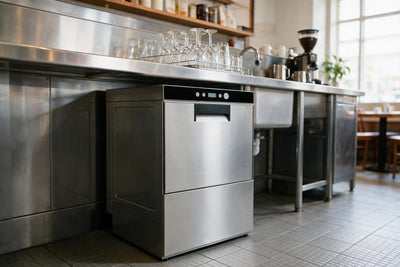
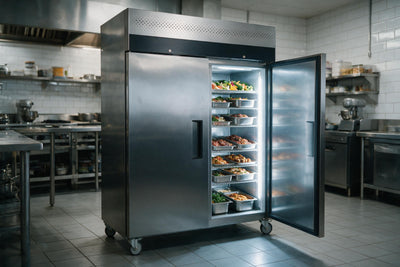
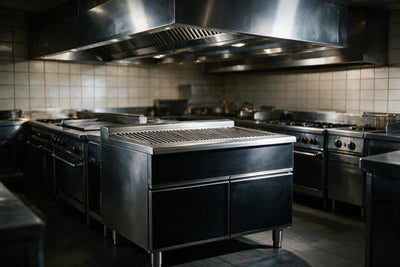
An under bench fridge is a compact commercial refrigeration unit built to sit beneath a counter or prep table, putting chilled ingredients within arm's reach without eating into floor space. To choose the right one, match the configuration (door, drawer, chef base or bar unit) to how your team works, confirm it holds a safe temperature (0°C to 5°C), check it fits flush under your bench with proper ventilation, and look for stainless steel build quality and an efficient compressor. This guide walks through the types, features and sizing decisions.
📋 What this guide covers
- What an under bench fridge is and where it suits
- The four main configurations and their best use cases
- The features that affect daily performance and food safety
- How to size and position a unit for your kitchen
- Practical tips to get the most from it
What is an under bench fridge?
An under bench fridge is a compact commercial refrigeration unit designed to fit beneath countertops or prep tables. Common in small kitchens, bars, bakeries and delis, it gives quick ingredient access without taking up valuable floor space. Configurations include:
- Single-door or double-door models
- Drawer-style chillers
- Stainless steel prep-surface units
- Refrigerated chef bases
That versatility makes them a strong fit for small, fast-paced foodservice settings where efficiency and accessibility come first. Browse the under bench fridges range to see the formats available.
Key benefits of an under bench fridge
- Space optimisation: cooling sits directly under a workstation, cutting unnecessary movement and improving workflow.
- Faster prep and service: staff grab chilled dairy, produce, deli meats, garnishes and ready-to-cook proteins with minimal steps.
- Energy efficiency: modern compressors and eco-friendly refrigerants keep costs down while holding precise temperatures.
- Food safety: consistent temperature control maintains quality and reduces the risk of spoilage or contamination.
- Durable, chef-friendly design: heavy-duty stainless steel, smooth surfaces and reinforced hinges stand up to demanding kitchens.
Types of under bench fridges
The right configuration depends on what you store and how often staff reach for it.
| Type | Best use case | Advantages | Limitations |
|---|---|---|---|
| Door-style | Prep stations and general use | Flexible shelving, larger capacity | Requires bending for access |
| Drawer-style | High-speed stations | Quick access, organised storage | Higher cost |
| Chef bases | Combined cooking and chilling | Saves space, holds equipment | Heavy and less mobile |
| Bar units | Beverage and garnish storage | Fast service access | Not suitable for raw food |
Door-style units offer traditional internal shelving and suit restaurants, cafes, bakeries and prep stations. Drawer-style units pull out fully for faster access and organised separation, ideal for high-volume kitchens with frequent opening and closing. Refrigerated chef bases are low-profile chilled drawers with reinforced tops that hold grills, griddles or fryers, perfect for compact kitchens needing cold storage and cooking in one footprint. Under bench bar fridges are built for drinks, mixers and garnishes in bars, pubs and beverage counters.
Essential features to look for
Temperature range and controls
Choose a unit with digital temperature control that holds between 0°C and 5°C to meet food safety standards.
ℹ️ Temperature and food safety
The FSANZ Food Standards Code requires cold potentially hazardous food to be kept at 5°C or below. A reliable digital thermostat and a daily temperature check help you stay compliant and avoid spoilage.
Build quality and materials
Stainless steel inside and out delivers hygiene, durability and easy cleaning.
Compressor location
- Front-breathing compressors let units fit flush under counters.
- Side-mounted compressors improve airflow in open spaces.
Door versus drawer configuration
Match the model to the ingredients you store and how often staff access them.
Ventilation and energy efficiency
Confirm your layout allows proper airflow around the compressor. For lower running costs, look for eco-friendly refrigerants such as R290, efficient motors and quality insulation.
Capacity and dimensions
Match dimensions to your workspace and daily volume so the unit fits without obstructing workflow.
Who should use an under bench fridge?
- Small cafes and coffee shops
- Restaurant prep stations
- Food trucks and mobile kitchens
- Bars and cocktail stations
- Cloud kitchens
- Bakeries and deli counters
- Convenience stores
Any operation working around tight space can benefit. If you need freezing as well as chilling at the bench, compare the under bench freezers range, or step up to full-height options in commercial fridges.
How to choose the right under bench fridge
- Assess storage needs: decide whether drawers for quick access or shelves for bulk ingredients suit you better.
- Measure your layout: ensure the unit fits under existing counters without obstructing workflow.
- Consider durability: commercial-grade stainless steel handles constant use.
- Look for easy maintenance: removable gaskets, auto-defrost and easy-clean interiors save daily labour.
- Check warranty and brand: reputable brands offer better longevity and service support.
- Evaluate energy usage: high-efficiency compressors lower long-term costs.
Expert tips for maximum performance
- Keep the unit at least 50 to 75 mm (2 to 3 inches) from walls for airflow.
- Avoid overloading shelves or drawers, which blocks cold air circulation.
- Clean condenser coils monthly.
- Organise ingredients using FIFO (first in, first out).
- Monitor temperatures daily for food safety compliance.
🔧 Pro tip, watch the airflow gap
The most common cause of an under bench fridge struggling is a blocked compressor vent or packing the unit too tightly against a wall. Keep the front grille clear and leave the recommended clearance so the condenser can shed heat.
If your prep work centres on a refrigerated counter, our pizza bar refrigeration and prep stations guide covers topping rails and prep-counter layouts in more detail.
Frequently Asked Questions
Yes. Many models are engineered for constant opening and closing, which makes them well suited to fast-paced environments.
With proper maintenance, commercial units last 7 to 10 years or more.
Yes, provided they hold safe temperatures and you follow food-safety best practice, including storing raw meat below ready-to-eat items.
Most models need proper airflow around the compressor to run efficiently. Keep the grille clear and leave the recommended clearance from walls.
Drawer-style units offer quicker access and better ingredient organisation, but they cost more. Door-style units give more flexible shelving and capacity for the price.