


Salamanders
Commercial salamanders are essential for professional kitchens where quick, high-heat finishing is critical. From gratins and melts to toasting and browning, these units deliver exceptional surface heat while conserving workspace. Whether you're after gas or electric salamanders, Atlantic Equipment has models designed with chefs in mind — efficient, durable and HACCP compliant.
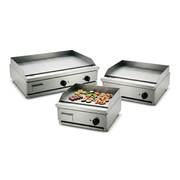
-
 BenchStar Toaster / Griller / Salamander AT-938E
$699.00From:$594.15 Rent $7.54 + GST/week
Couldn't load pickup availability
-
 BenchStar Toaster / Griller / Salamander AT-937E
$799.00From:$679.15 Rent $8.62 + GST/week
Couldn't load pickup availability
-
 Benchstar Toaster / Griller / Salamander AT-936E
$549.00From:$466.65 Rent $5.91 + GST/week
Couldn't load pickup availability
-
 Benchstar Toaster / Griller / Salamander AT-360BE
$580.00From:$493.00 Rent $6.26 + GST/week
Couldn't load pickup availability
-
 Benchstar Single Infrared Quartz Element Salamander Griller Toaster And Timer QT-1
$369.00From:$313.65 Rent $3.97 + GST/week
Couldn't load pickup availability
-
 Benchstar Electric Salamander ES-5600L
$1,890.00From:$1,606.50 Rent $20.38 + GST/week
Couldn't load pickup availability
-
 Benchstar Electric Salamander ES-2800L
$1,290.00From:$1,096.50 Rent $13.91 + GST/week
Couldn't load pickup availability
-
 Anvil Adjustable Salmander
$1,260.00From:$1,014.00 Rent $12.87 + GST/week
Couldn't load pickup availability


WE’RE HERE TO ANSWER
Salamanders FAQs
What are the differences between gas and electric salamanders in terms of performance?
Gas salamanders typically reach high temperatures faster and are ideal for kitchens requiring quick recovery times and intense heat for finishing larger volumes. Electric salamanders are more energy-efficient, offer more precise temperature control, and are suitable for medium-volume operations or kitchens with no gas connection. Both types provide superior radiant heat, but your choice should align with your utility availability and throughput needs.
Do I need a Type 1 hood for installing a salamander in my commercial kitchen?
Yes, most gas salamanders require installation under a Type 1 exhaust hood due to the open flame and grease-laden vapor production. Electric salamanders may not require hooding depending on local codes and how they're installed, but it's best to check with your regional health authority. Proper ventilation ensures compliance and prevents overheating in prep zones.
How do I properly clean and maintain a commercial salamander to extend its lifespan?
Daily cleaning is essential: wipe down the interior with a non-abrasive cloth, empty and clean the crumb tray, and remove any food buildup from the heating elements or grill racks. Perform weekly deep cleans and inspect stainless steel surfaces for early signs of wear. For gas units, check burners regularly for blockages and ensure igniters are functioning properly. Always disconnect power or gas before servicing.
How many gastronorm (GN) pans can a standard salamander hold?
A standard commercial salamander typically fits one full-size 1/1 GN pan or two half pans side by side, depending on the model's width. Some high-capacity or twin-deck models can accommodate up to 2–3 full GN pans or 4–6 standard plated portions in one go, which is ideal during peak service periods.
Why should I use a salamander instead of a standard oven or grill station?
Salamanders deliver rapid, high-heat finishing without cooking the interior of the dish – crucial for tasks like cheese melting, crust browning, or reheating without drying. They’re energy-efficient for short-burst cooking and save valuable time on the line. Compared to standard ovens or flat-top grills, salamanders are more responsive, ergonomic, and purpose-built for final-stage prep tasks.